When you think of a luxury hamper, you picture a sleek wooden crate, a velvet ribbon, and a spread of artisanal treats. What you rarely consider is the journey that packaging takes to get there—and how that journey can leave a trail of waste. Today’s eco-conscious consumer is demanding that every element of a premium gift, from the chocolate inside to the cardboard outside, reflect responsibility. In this guide, we’ll explore practical ways to fix packaging waste for eco-friendly premium hampers without sacrificing the wow factor that makes a gift unforgettable.
The Problem: Packaging Waste in Premium Hampers
How Much Waste Are We Talking About?
A single luxury hamper can involve dozens of materials: paperboard boxes, foam inserts, plastic ties, and decorative tissue paper. According to recent studies, the average premium hamper generates about 0.5 kg of packaging waste—roughly the weight of a small laptop. Multiply that by thousands of orders, and the numbers quickly spiral into a significant environmental burden.
Why It Matters to Your Brand
Consumers today are more informed than ever. A study found that 73 % of shoppers would choose a brand that offers sustainable packaging over a cheaper, less eco-friendly option. If your packaging is the first thing people see, it New hamper sets the tone for the entire gifting experience. A careless approach can feel like a cheap knock‑off, while thoughtful, sustainable design can reinforce your brand’s commitment to quality and conscience.

Sustainable Solutions That Don’t Compromise Luxury
Recycled and Biodegradable Materials
- Post‑consumer recycled cardboard for the outer box Plant‑based foam that breaks down in a landfill within 12 months Soy‑based inks for printing logos and designs
These materials maintain the structural integrity and visual appeal of a premium hamper while dramatically cutting down the carbon footprint.
Design for Reusability
Think of packaging as a second life. A sturdy, stylish box can double as a storage container for the recipient, turning a one‑time gift into a lasting memory. Designers are now incorporating features such as:
- Removable dividers that can be repurposed for organizing kitchen tools Fold‑out compartments that reveal a hidden message or recipe Customizable lids that fit multiple product sizes
Smart Shipping Practices
Even the best packaging can become waste if shipped inefficiently. Here’s how to keep your hamper on the right track:
- Optimized dimensions: Align hamper size with standard shipping pallets to reduce empty space Digital invoicing: Replace paper receipts with QR codes Consolidated shipments: Batch orders to minimize trips and fuel consumption
Practical Steps to Fix Packaging Waste
Choose the Right Supplier
When sourcing materials, ask these questions:
- What percentage of your supply chain is certified carbon‑neutral? Do they offer a take‑back or recycling program for used packaging? Can they provide a transparent audit of their environmental impact?
A supplier that prioritizes sustainability will become an ally in your eco‑journey, not just a vendor.
Customization with Eco-Friendly Prints
Your hamper’s branding should be as polished as its contents. Opt for:
- Digital printing to reduce ink waste Water‑based inks that are non‑toxic and recyclable Minimalist designs that convey luxury without excess
A simple, elegant logo can be more striking than a gaudy, multi‑colored banner—just like a fine wine that ages gracefully.
Customer Engagement and Return Programs
Encourage recipients to return packaging for reuse or recycling:
- Include a small card that explains how to repurpose the box Offer a discount on future purchases for returning the packaging Provide a QR code that links to a tutorial video on creative reuse ideas
When customers feel part of the solution, the brand’s reputation for responsibility strengthens.
A Real-World Success Story
The Case of GreenGift Co.
GreenGift Co., a boutique gift company based in Portland, faced a dilemma: their premium hampers were beloved, but the packaging waste was a growing concern. They partnered with a local supplier that offered 100 % recycled cardboard and plant‑based foam. After redesigning their boxes to be stackable and reusable, they saw a 35 % reduction in packaging costs and a 22 % increase in repeat orders.
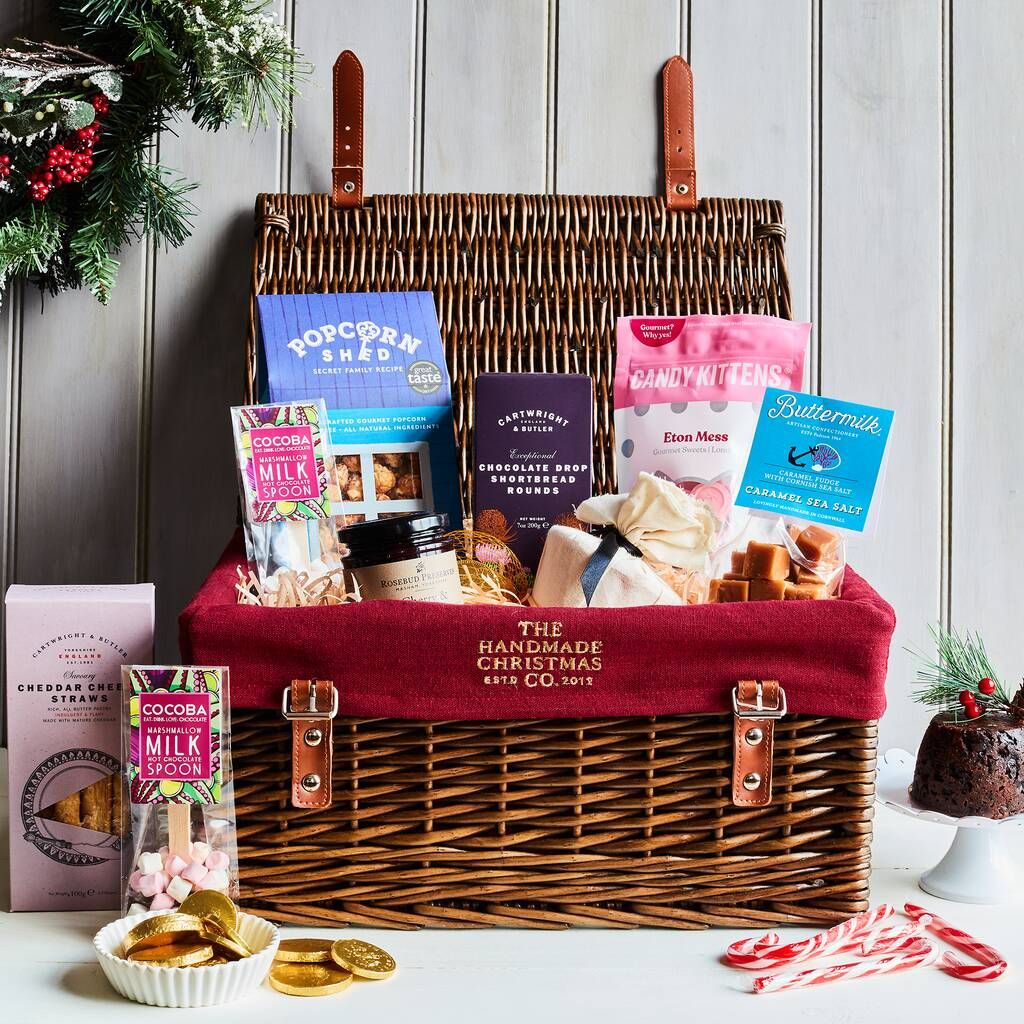
*“Sustainability isn’t just a buzzword; it’s a business strategy that pays dividends,”* says GreenGift’s CEO. The company now proudly displays a “Zero‑Waste” badge on every hamper, and customers applaud the thoughtful design that feels as luxurious as the treats inside.
Making Your Selection Count
Choosing the right packaging for your premium hampers is more than a logistical decision; it’s a statement about who you are as a brand. By integrating recycled materials, designing for reusability, and engaging customers in the circular journey, you can turn a simple gift into a lasting impression.
Ready to elevate your hamper game while keeping the planet in mind? Start by evaluating your current packaging, reach out to eco‑friendly suppliers, and consider a pilot https://rentry.co/288usb7k program that tests new materials and designs. Your customers—and the Earth—will thank you.